Riga first. Then the rest of Latvia.
Which coach actually gets you into Rundāle’s gilded halls. Where to try black balsam without regretting it. Whether the bog at dawn is worth the alarm clock. Every tour in Latvia, reviewed and ranked.
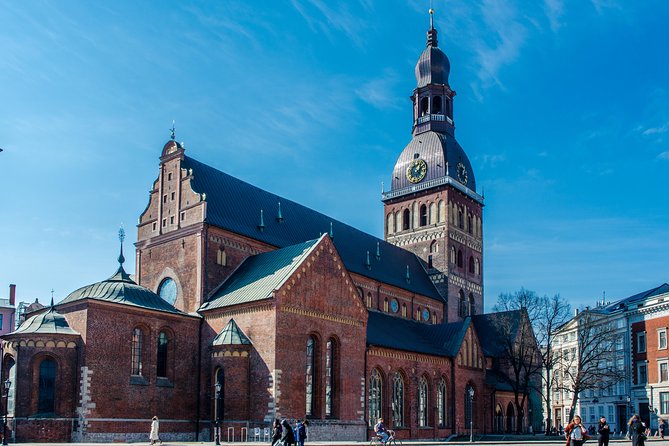
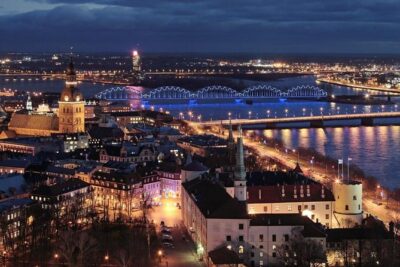
Eight centuries fit inside Old Riga’s walls.
The House of the Blackheads, the Three Brothers, the cat house with its tail turned on the guild across the street. Riga’s Old Town is small enough to cross in twenty minutes — a good guide turns those cobbles into the story of the whole Baltic.
All 10 Old Town walks →
Rundāle, Alberta iela, the bog at dawn.
A gilded palace an hour south, Europe’s densest Art Nouveau street, a boardwalk over open mire at sunrise. Six days out that Latvia does better than anywhere else, and the best way to book each.
Palace day, forest day, or bog at dawn?
Riga earns two days; the third is the argument. South to Rundāle’s gilded suite, east to the castles above the Gauja, or west onto the Ķemeri boardwalks before the mist burns off — three different Latvias, each about an hour from your hotel.
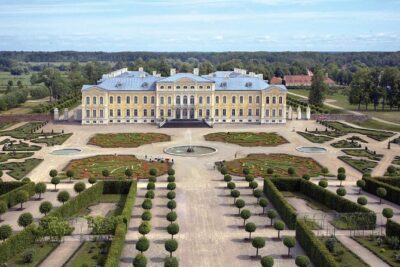
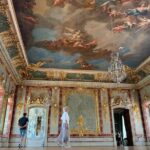
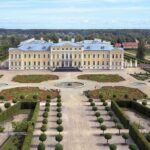
Rundāle’s gilded suite & rose garden
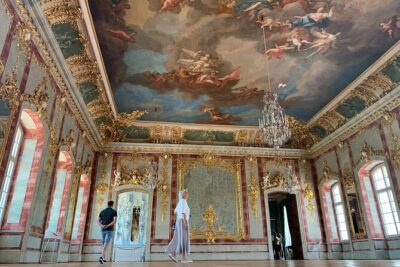
Baroque by the architect of the Winter Palace, marooned in Zemgale farmland. The state rooms and rose garden take a slow morning; most runs call at Bauska’s brick castle on the way home.
See all 14 →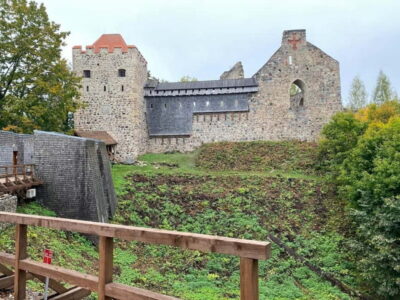
Turaida, Sigulda & the Gauja valley
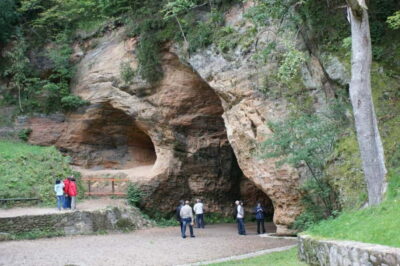
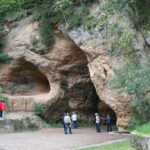
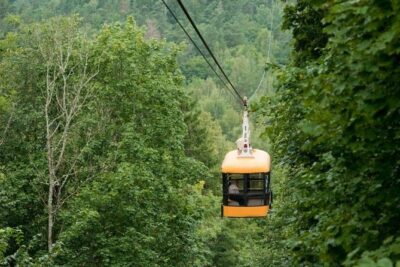
The classic forest day out: the cable car swing across the valley, Gūtmanis Cave’s three centuries of scratched names, and Cēsis on the longer runs — its ruins are the best of the lot.
See all 26 →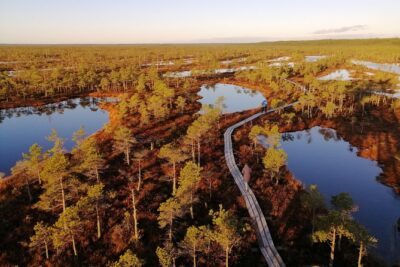
Ķemeri’s boardwalks at first light
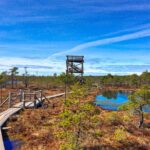
Wooden boardwalks straight across open mire, black pools steaming at sunrise, pines stunted to knee height. The dawn departures exist for a reason; Jūrmala’s beach is the soft landing after.
See all 10 →Castles stack three-deep above the Gauja.
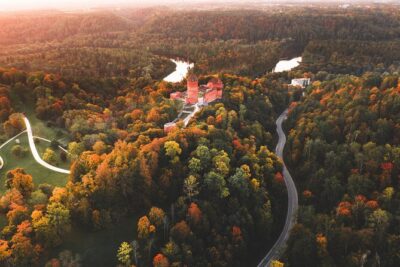
Livonian knights built above the river bend: Sigulda’s convent walls, Turaida rising red out of the pines, Krimulda watching from the far rim. An hour out of Riga, and the valley does the rest.
The tours Riga sells out first.
Every review →What travellers actually book in Latvia — the Old Town on foot, the market with an appetite, the huskies in season — and what makes each one worth its morning.
1
Riga Old Town walking tour
Walk Riga’s Old Town with an English guide on a 1.5-hour route, stopping at Town Hall Square, St Peter’s, St John’s, Livu Square, Cat House, and…
From · $18
Read our review →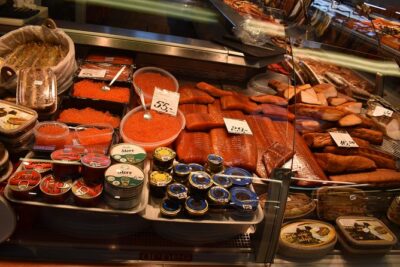 2
Latvian food tasting tour at Riga Central market
from $44
2
Latvian food tasting tour at Riga Central market
from $44
 3
2 countries! Hill of Crosses, Rundale Palace and Bauska castle
from $157
3
2 countries! Hill of Crosses, Rundale Palace and Bauska castle
from $157
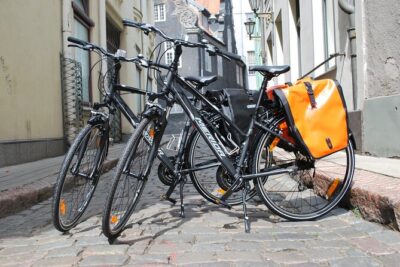 4
Discover Riga Bike Tour
from $47
4
Discover Riga Bike Tour
from $47
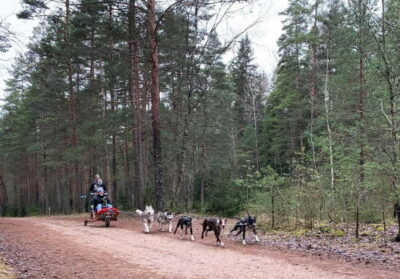 5
Husky Sledding or Wheel Kart Tour
from $130
5
Husky Sledding or Wheel Kart Tour
from $130
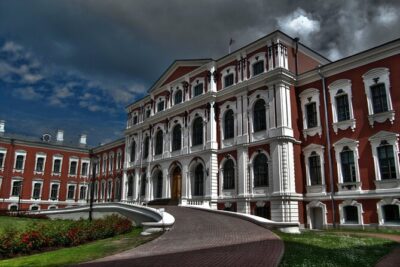 6
Hill of Crosses & Jelgava Highlights
from $54
6
Hill of Crosses & Jelgava Highlights
from $54
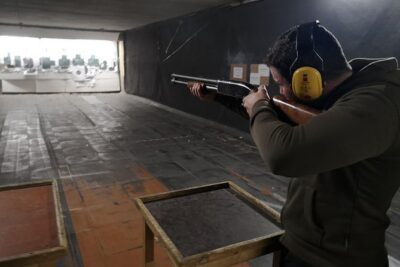 7
Riga Gun Range: shooting with Winchester, Glock17, & Kalashnikov
from $66
7
Riga Gun Range: shooting with Winchester, Glock17, & Kalashnikov
from $66
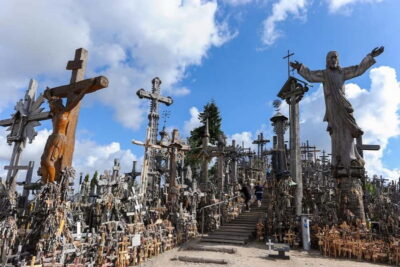 8
Hill of Crosses, Guided Rundale Palace & Bauska Castle
from $130
8
Hill of Crosses, Guided Rundale Palace & Bauska Castle
from $130
Lunch in a zeppelin hangar.
All 12 food & tasting tours →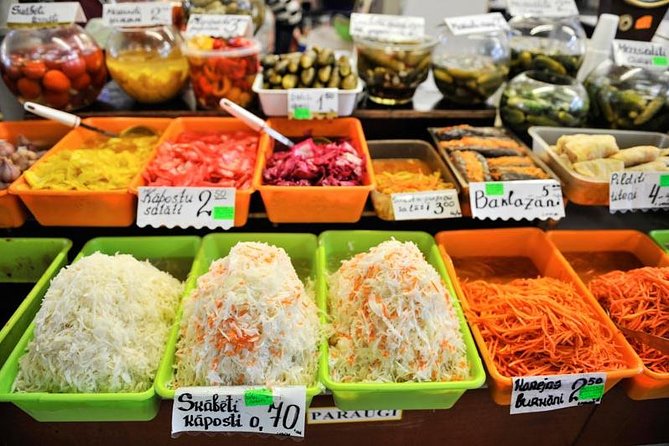
Riga’s Central Market lives inside five hangars built for German zeppelins a century ago — now stacked with rye bread, smoked eel, hemp butter and pickles by the barrel. Go hungry, leave with opinions.
What Latvia keeps to itself.
Old towns and Baroque palaces you can find across Europe. A jugendstil street this dense, a hill carrying a hundred thousand crosses, a bog you can walk across at dawn — those you cannot.
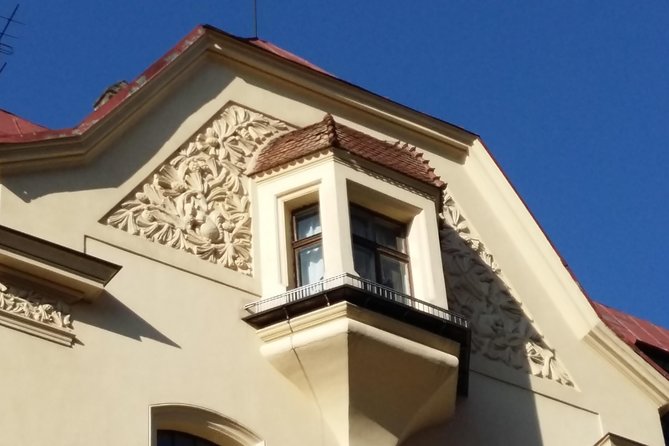
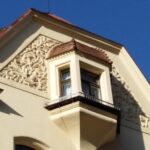
Alberta iela
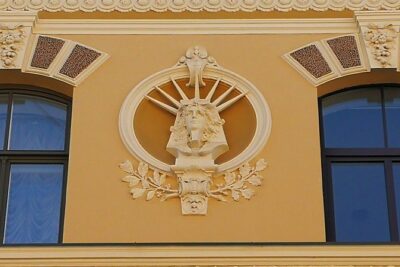
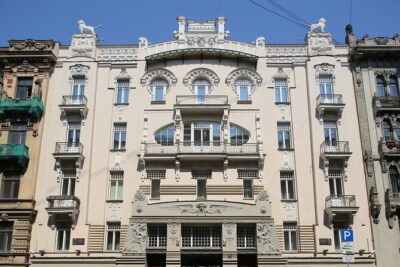
Riga holds more Art Nouveau than any city in Europe — roughly a third of the centre — and Alberta iela is its loudest block: sphinxes, peacocks and screaming masks, much of it by Mikhail Eisenstein, father of the filmmaker. Guides here read facades the way sommeliers read wine.
- 1Riga Art Nouveau walking tour★★★★★★★★★★ 4.0 · 27 reviews
- 2Old Town And Art Nouveau Walking Tour Of Riga★★★★★★★★★★ 4.0 · 15 reviews
- 3Small Group Art Nouveau walking tour 2h★★★★★★★★★★ 4.5 · 6 reviews
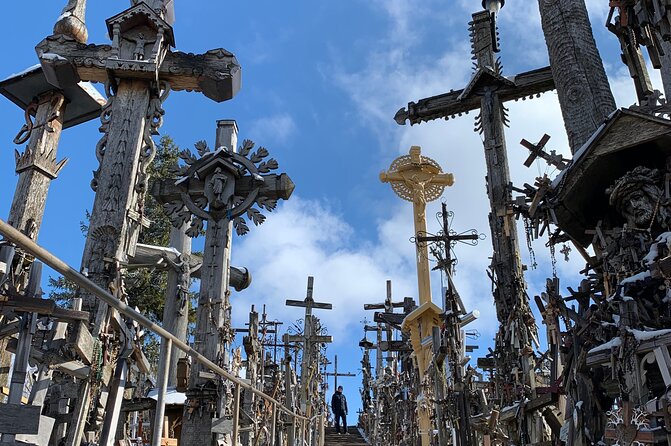
The Hill of Crosses
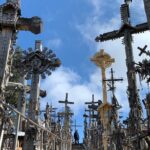
Two hours south — across the border in Lithuania — a low mound carries over a hundred thousand crosses, planted since the 1831 uprising and bulldozed three times by the Soviets. It regrew every time. Riga is the classic base for the run, and most buses fold in Rundāle or Bauska so the day earns itself twice.
- 12 countries! Hill of Crosses, Rundale Palace and Bauska castle★★★★★★★★★★ 5.0 · 225 reviews
- 2Hill of Crosses & Jelgava Highlights★★★★★★★★★★ 5.0 · 149 reviews
- 3Hill of Crosses, Guided Rundale Palace & Bauska Castle★★★★★★★★★★ 4.9 · 140 reviews
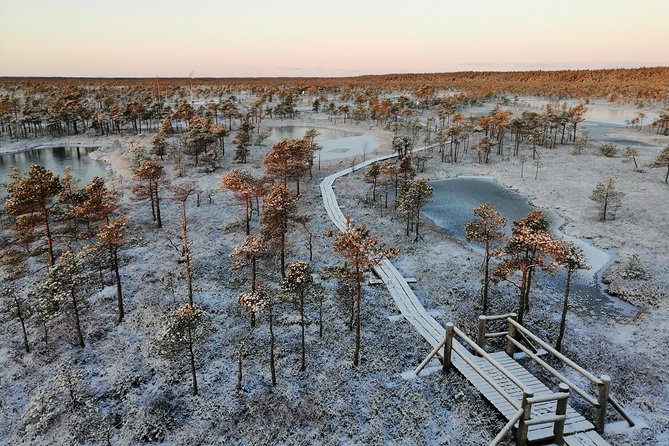
The Ķemeri Bog
A raised bog thousands of years in the making, crossed by a single wooden boardwalk. Come at dawn: the pools steam, the pines grow bonsai-small, and the sulphur springs beneath once made Ķemeri a spa town for the tsars. Under an hour from Riga, and it feels like another planet.
- 1Best of Kemeri National Park In One Day★★★★★★★★★★ 5.0 · 61 reviews
- 2Sunset at Kemeri National Park★★★★★★★★★★ 5.0 · 38 reviews
- 3Sunrise at Kemeri National park + Jurmala★★★★★★★★★★ 5.0 · 37 reviews
What a Latvia day costs.
Every tour on the site, sorted by price. Riga remains a capital where the guided morning costs less than the lunch that follows it.
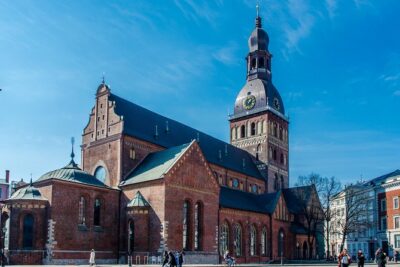
Old Town walks, canal boats, market tastings and pub crawls — most of Riga, honestly.
- 1Riga Old Town walking tourfrom $18
- 2Latvian food tasting tour at Riga Central marketfrom $44
- 3Discover Riga Bike Tourfrom $47
The classic day trips: Sigulda’s castles, the Hill of Crosses run, husky sledding in season.
Private palace days, Kurzeme road trips, and small groups that keep the van to themselves.
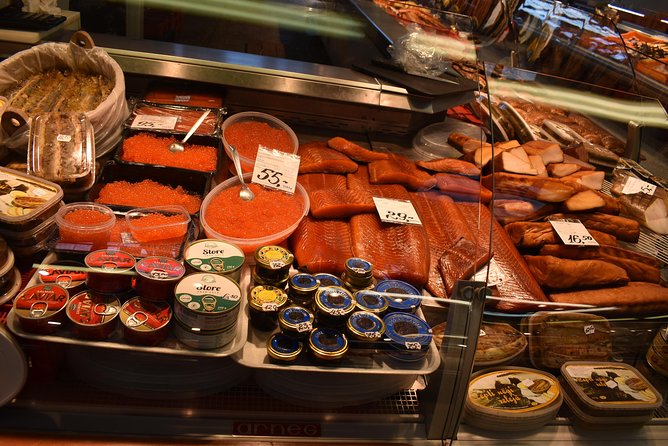
When the Baltic sky closes in, Riga goes indoors.
It rains here on one day in three, and the city was built for it: market halls you could park an airship in, jugendstil stairwells, cellar bars that have poured balsam since the tsars. The best wet-day bookings keep a roof overhead.
- 1Latvian food tasting tour at Riga Central marketfrom $44
- 2Pub Crawl in Rigafrom $36
- 3Riga Pub Crawl Nightlife Experiencefrom $30
By place — Riga and the roads out
 Riga160 tours
 Rundāle Palace14 tours
 Sigulda & the Gauja26 tours
 Ķemeri National Park10 tours
- Bauska Castle11 tours
 Hill of Crosses16 tours
 All day trips20 tours
- Every tour in Latvia →
A first Latvia week, in the right order.
 Alberta iela
The latest Latvia tour reviews.
All recent →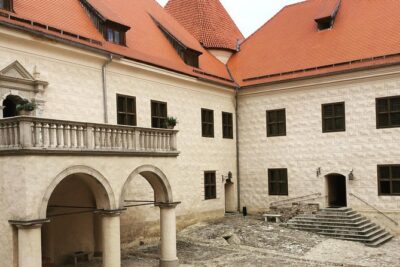
Tour from Riga to Vilnius: Bauska Castle, Rundale Palace and The Hill of Crosses
Read our review →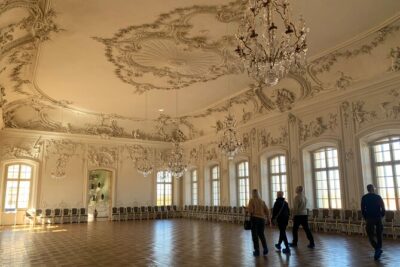
Ultimate Art Nouveau Experience in Riga – Private Tour
Read our review →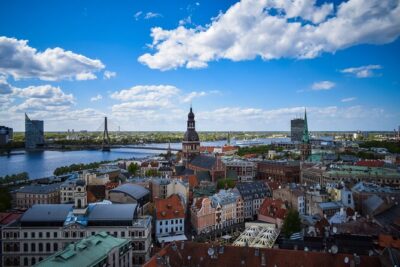
CITY QUEST RIGA: unlock the mysteries of this city!
Read our review →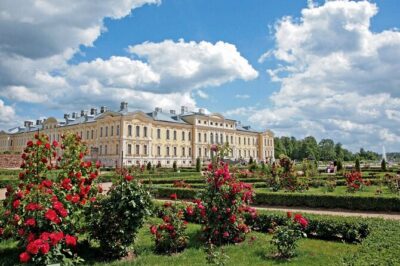
Private Castle tour from Riga:Rundale, Bauska+Hill of Crosses(LT)
Read our review →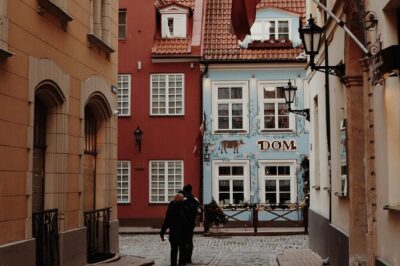
Riga’s Architecture: A self-guided audio tour of the city’s art nouveau history
Read our review →
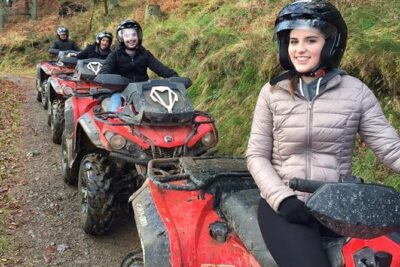
Private Snowmobile or ATV Safari with Riga Black Balsam Tasting
Read our review →
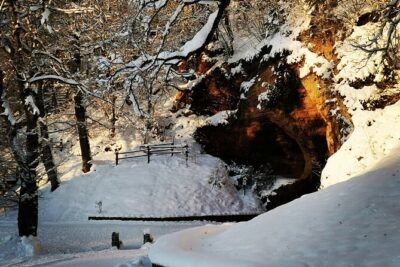
Latvia’s Switzerland and Gauja National Park Tour
Read our review →